2026 World Cup Kansas City: 3 Lessons Learned
Kansas City was one of 16 host cities for the 2026 FIFA World Cup, the first 48-team tournament, played across the United States, Canada and Mexico between June 11 and July 19, Its package had three p...
2026 World Cup Kansas City: 3 Lessons Learned
Kansas City was one of 16 host cities for the 2026 FIFA World Cup, the first 48-team tournament, played across the United States, Canada and Mexico between June 11 and July 19, 2026. Its package had three parts: matches at Kansas City Stadium, the Arrowhead home of the Chiefs, a FIFA Fan Festival that drew hundreds of thousands of supporters, and motorcoach services linking Kansas City International Airport, the stadium and regional destinations. Stadium View, a World Cup coverage site, scored the three against each other on access, atmosphere and value. The verdict: the Fan Festival won on value, the stadium won on drama, and the shuttle pass decided whether either felt easy. If you are planning for the next major tournament, reserve your transport before you chase tickets, because a seat you cannot reach is worth nothing.
Imagine a warm summer evening in the middle of America. The light goes gold over the Missouri side of the metro, and a river of fans in mismatched jerseys drifts toward a stadium that has been loud for decades. Somebody's grandmother is wearing a scarf from a country she has never visited. A kid is trading a pin for a sandwich. I have followed this sport long enough to know that moments like this are the part you remember, long after the scoreline has gone blurry. I am also a numbers person. I track turnover, I track rebates, I track my net position, and I carry that habit into everything, including how I judge a host city. So here is the plan. Now that the tournament is over, I am treating Kansas City like a three-fighter card and scoring each round honestly. No brochure language, no flattery. Just what worked, what would have tripped me up, and where I would put my money if the whole circus rolled back into town tomorrow.

The Quick Comparison
Before the rounds, here is the whole card on one page. The "fighters" are the three ways a visitor could experience the Kansas City leg of the 2026 FIFA World Cup: the match-day stadium trip, the FIFA Fan Festival, and the motorcoach network that ties them together. Official material from the host committee calls Kansas City the "Soccer Capital of America" and a region where "the energy won't stop at the stadium gates," and that framing matches what the three options actually delivered. Each one does a different job, which is why a straight head-to-head can mislead you. Keep that in mind as you read the table, because the winner of one row is often the loser of the next.
| Category | Match Day at Arrowhead | FIFA Fan Festival Kansas City | Motorcoach Pass |
|---|---|---|---|
| Main job | Live football, one fixture | Crowd, food, culture, big screens | Connects everything |
| Reach | Six matches in total, group stage through a quarterfinal | Hundreds of thousands of fans | Airport, stadium, regional destinations |
| Best at | Raw drama | Breadth and value | Removing friction |
| Weak spot | Scarcity | Less intimate than a stadium | Only useful if reserved ahead |
| Round winner | Atmosphere (peak) | Value | Getting there |
Round 1: Which Option Gets You There Easiest?
Motorcoach services won this round for visitors flying in, because one pass connects Kansas City International Airport, Kansas City Stadium on match days and regional destinations to and from the FIFA Fan Festival. Driving suits locals with parking plans, but anyone arriving by air should treat the bus pass as the default.
I will say it plainly: nobody posts a photo of their transport plan, yet transport is where a trip like this is won or lost. The official Kansas City FIFA World Cup 26 site pitched the bus network as "your direct route to the heart of the action," and the logic is sound. Arrowhead sits in a sprawling sports complex built for cars, not for sixty-odd thousand people leaving at the same minute. A reserved seat on a coach takes the single most stressful hour of the day and hands it to someone else. When you are tired, sunburned and slightly sentimental after a late kickoff, that is worth more than any souvenir.
Here is the practitioner-level tip most guides skip. Match-day coach service is built around match days, so a plain Tuesday arrival or a morning-after departure is a different problem. Plan the airport leg and the stadium leg as two separate decisions, and check what each pass actually covers before you pay. That is my inference from how the service was described, not a published rule, so confirm the details when you book. My checklist, in the order I would do it:
- Lock in the airport ride for arrival and departure, not just the match.
- Reserve the stadium coach only after your ticket is confirmed.
- Pick a hotel along a coach corridor rather than the cheapest room across the metro.
- Leave a buffer of at least two hours after the final whistle before any onward travel.
Believe it or not, I would rather overpay for the hotel and skip the rental car than the other way around. I do.
For more on how we cover each fixture, see our World Cup match predictions and daily previews.

Round 2: Where Is the Atmosphere Better?
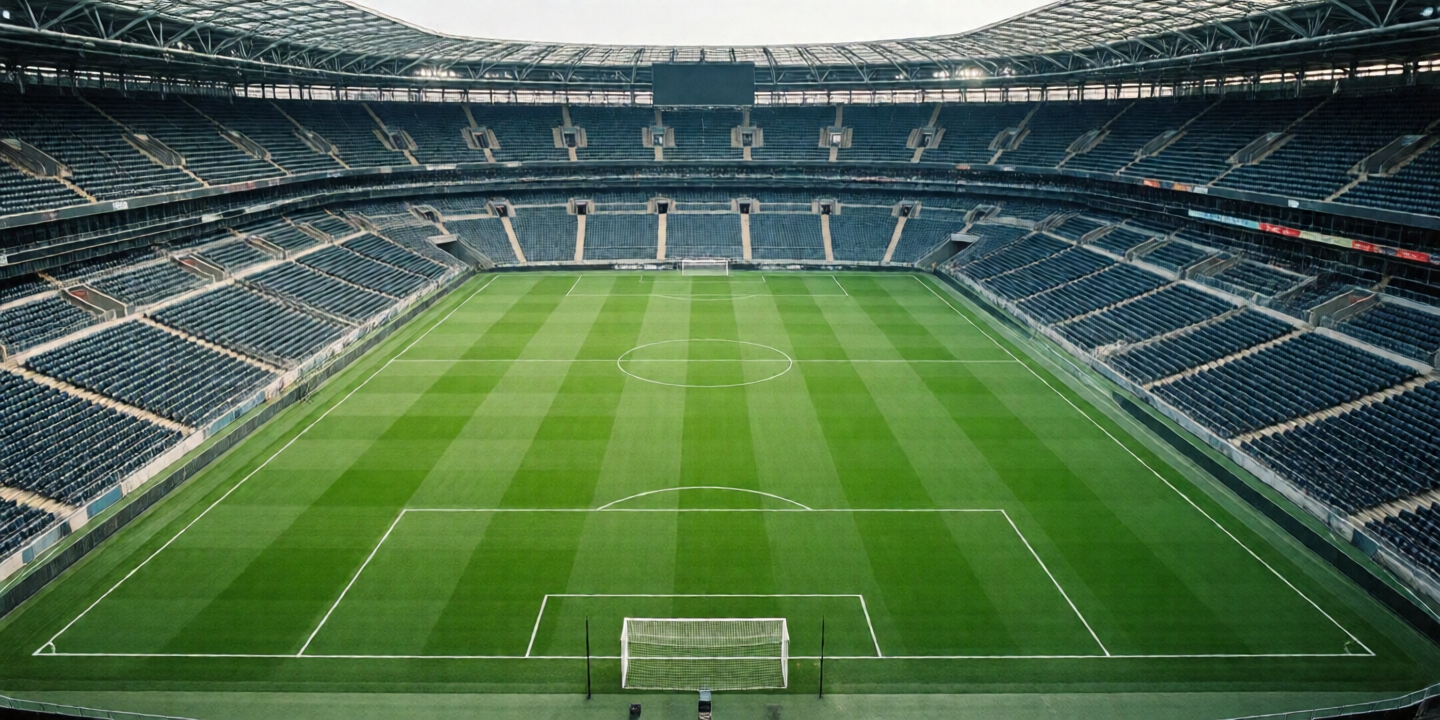
The stadium wins for raw drama; the Fan Festival wins for breadth. Kansas City Stadium, better known as Arrowhead, holds roughly 73,000 fans for a World Cup match and has a Guinness-recorded 142.2-decibel roar to its name, while the FIFA Fan Festival offered food, culture and a crowd of hundreds of thousands.
Arrowhead has a reputation, and it earned it the hard way. Its crowd-noise record was set back in 2014, long before FIFA arrived, and that history matters because a World Cup match here borrowed a ready-made temperament. Walk in for a knockout fixture and the whole bowl leans forward together. If you want the single sharpest moment of the tournament, a goal in that room is it. I still remember the first big-stadium goal I ever saw live. The sound arrived a half-second before I understood what had happened. That is the stadium's gift: it is overwhelming, narrow and unrepeatable.
The Fan Festival is a different animal. The host committee described it as a place that "believes in good matches, good food, good entertainment and good people," and that is a fair summary. Hundreds of thousands of fans came to cheer for their nations and share their cultures in the Heart of America. What that really means is that you meet the whole tournament in miniature: a family from one country wearing the colors of another, vendors, music, strangers explaining offside to each other. The weakness is intimacy. You are watching a screen with a crowd, not standing in the room where it happens. Still, I would argue the festival delivered something the stadium cannot, which is the feeling that the tournament belongs to the city and not only to the ticket holders. Fans who followed our team tactics and player stats breakdowns at home often told us the festival was where those debates came alive.

Round 3: Which One Is Worth the Money?
The Fan Festival typically wins on value for most people, since a match ticket buys you roughly ninety minutes of football while a festival day buys you screens, food and company for hours. Pay for a stadium seat only when the specific fixture matters to you, not just the tournament badge.
Let me bring my investor hat into the room. I judge any spend by cost per hour of live experience, and this is where tournament fever quietly fools people. Take a hypothetical, with illustrative numbers rather than real prices: a $300 seat gives you about two and a half hours inside the gates once you count entry, halftime and the walk out. That is $120 an hour. A festival day that costs a fraction of that, spread across eight hours of crowd and big-screen football, lands at a rate that is hard to beat. The contrarian conclusion follows. If you can only afford one thing, and the fixture is not a team you are emotionally invested in, the stadium ticket is probably the worse buy. It sounds heretical for a football site to say so. But the arithmetic is the arithmetic, and Stadium View would rather tell you the arithmetic than flatter the ticket.
The exception is scarcity. A knockout match at a stadium with a world-famous roar is a one-time event, and for a supporter whose nation is playing it may be the only time they ever see them at a World Cup in the United States. In that case the cost per hour is irrelevant, because you are not buying hours. You are buying a memory. Believe it or not, I have made exactly that trade before and never regretted it. I do. For readers who treat the tournament as a market, our bankroll and bet-tracking guide covers how to keep entertainment spending separate from any wagering, and adults only should engage with betting products where legal.
The Final Score & Who Should Pick What
Add up the three rounds and no single fighter takes everything. The motorcoach pass won Round 1, the stadium took the peak of Round 2 on atmosphere, and the Fan Festival edged Round 3 on value while staying close in Round 2 on breadth. That is why I stopped asking "which is best" and started asking "which is best for whom." The tournament itself, a 104-match event across 16 host cities from MetLife Stadium to Estadio Azteca, was designed to be sampled, not conquered. Kansas City made that easy because its three pieces fit together. A visitor who treated them as a package, rather than three separate bets, came away with the best experience per dollar. Here is how I would match each type of fan to the right choice:
- The one-match pilgrim: Buy the stadium ticket, reserve the coach, and arrive early to soak in the walk-up.
- The festival wanderer: Skip the match ticket, build the trip around the Fan Festival, and use the bus pass for regional exploring.
- The value hunter: Do the festival most days and splurge on a single stadium fixture, preferably the one with the team you love.
- The remote follower: Watch from home with our daily World Cup coverage and tournament recaps and save the travel budget for the next host region.
So here is where Stadium View lands. Kansas City showed that "progress meets promise," to borrow the host committee's own phrase, is more than slogan material when the logistics and the fun are designed together. If you remember one lesson, make it the first: reserve the ride before you chase the ticket. Everything else, the roar, the food, the crowd of strangers who feel like old friends by the final whistle, follows from that. Late at night, when the highlights stop and the city goes quiet, that is the part I would tell a friend first.

Frequently Asked Questions
Q: What was the FIFA Fan Festival in Kansas City?
A: It was the host city's official fan zone for the 2026 World Cup, a public space for watching matches together. According to the host committee, it brought together hundreds of thousands of fans to cheer for their nations, share their cultures and enjoy food and entertainment. It was separate from the stadium, so you did not need a match ticket to take part.
Q: How many World Cup matches did Kansas City host?
A: Kansas City hosted six matches in total. They ran from the group stage through a quarterfinal, making the city a stop for both early-round and knockout football. The venue was Kansas City Stadium, the World Cup name for Arrowhead Stadium, which holds roughly 73,000 fans in tournament configuration.
Q: How did visitors get from the airport to the stadium?
A: Motorcoach services connected Kansas City International Airport, Kansas City Stadium on match days and regional destinations. Visitors reserved a pass in advance through the host committee site. Because stadium service followed match days, it is wise to plan the airport rides on non-match days as a separate step and check what each pass covers.
Q: Is the Fan Festival better value than a stadium ticket?
A: For most people, yes. A stadium seat gives you about two and a half hours of live experience, while a festival day offers many hours of screens, food and crowd atmosphere. Choose the stadium only when the specific match matters deeply to you, and compare cost per hour before you buy.
Q: What if my transport plan falls apart on match day?
A: Fall back to the coach network first, then build in extra time. Check the host committee site for current service notices, leave a buffer of at least two hours after the final whistle, and keep a backup route to your hotel. Arriving early is cheaper than any last-minute fix.
Q: Does Stadium View give betting advice for World Cup matches?
A: Stadium View focuses on predictions, tactics, player stats and tournament coverage, not guaranteed outcomes. Treat any pick as analysis rather than a promise, set a firm budget before you play, and only engage with betting products if you are of legal age where you live.
Thank you for reading.
Stadium View · Editorial Archive · 2026